How Well Do You Know Your House Plants?
Have you ever despaired over crispy ivy? Or wondered what it takes to get a cactus to bloom?
House plants can seem like a mystery if you don't know how to care for them.
With information now at your fingertips, it's easy to find out about your plant, discover what it needs, and get the most out of it. I promise you'll be rewarded with a healthy, thriving houseplant that's a source of pride and joy for years to come.
 Flowering Kalanchoe brings fresh color to any room. Image istockphoto
Everything you need is here in this user-friendly house plant guide:
- Look up your plant in the Encyclopedia A-Z and find out how to care for it.
- Suggestions for easy house plants -- including 10 House Plants You Can't Kill.
- Check out pests and diseases and find out what to do about spider mites, fungus, aphids and other things that are bugging your houseplants.
- Take a look at this list of poisonous plants and keep your family and pets safe.
- Bring the beauty of the tropics to you with these tropical house plants.
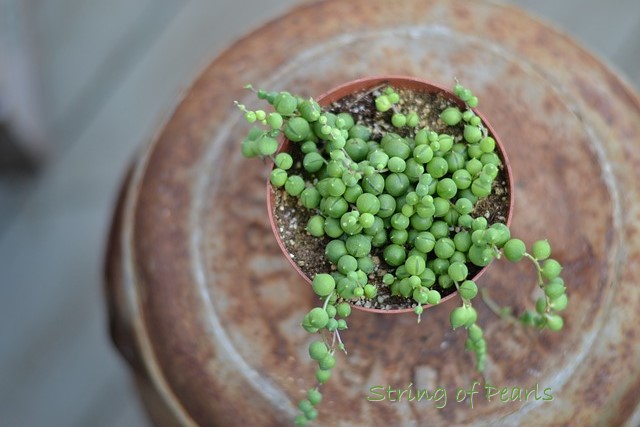 String of Pearls is a delightful houseplant. Plenty of sunlight will make it bloom.
Success with Succulents
Desert-dwellers store water in their fleshy leaves, making them drought-tolerant and easy to grow in a warm, dry environment.
Their unusual and varied colors and textures make them beautiful accents. Display a few together to show off their dramatic shapes.
Echeveria, Tiger's Jaw and String of Pearls (shown here) offer a variety that make excellent indoor plants. Place them in bright light and they'll feel right at home.
Succulents are growing in popularity as indoor plants...it's easy to see why.
Take Indoor Plants to New Heights
Put them on a pedestal. Indoor plantstands are a simple solution for displaying several small plants together. With a multi-level stand, you can easily transform a jungle into an eye-catching arrangement.
Hang 'em high. Pot them up in indoor plant hangers and they'll be at eye level for all to admire.
Drive them up a wall. Vertical gardens are perhaps the newest trend in indoor gardening. Check out these planters that make hanging them a breeze.
Grow Garden Favorites Indoors
Heading to the garden center this weekend? Pick up a few extra plants. (Don't you wish you could take them all home?)
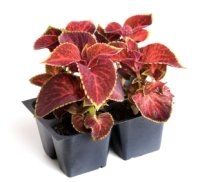
Many of your garden favorites are a snap to grow as house plants. Add fresh color to your home with charming pansies, dwarf varieties of snapdragons, plus bright primroses, wax begonias and impatiens.
Mophead hydrangea boasts dazzling blue flower clusters, making it a favorite house plant.
Dramatic patterns in dazzling colors make coleus (shown here) popular for shade gardens. But you'll love growing this colorful gem indoors, too.
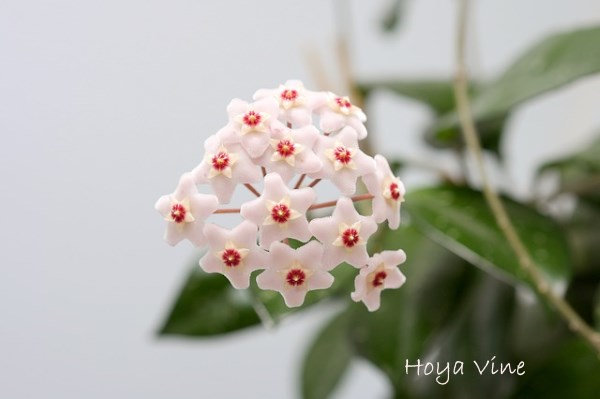 Hoya carnosa is a tropical vine that's also known as wax plant or porcelain flower for its spectacular starry blooms.
Trailers and Climbers
English ivy looks good spilling over the side of a hanging basket or climbing a trellis with its aerial roots. It's one of the most versatile plants you can grow. Newer variegated ivies are beautiful growing alongside upright foliage or flowering plants.
Wax plant (shown above), jasmine and passion flower vine are all drooping plants. Show off their breathtaking blooms by tying their stems to trellises or wire hoops inserted into pots.
Any plant with tendrils or aerial roots need some help from you to climb a support. Florist's wire or other plant ties do the job. Tie stems loosely at intervals, adjusting the ties as the plants grow. A little work--yes--but the results are worth it.
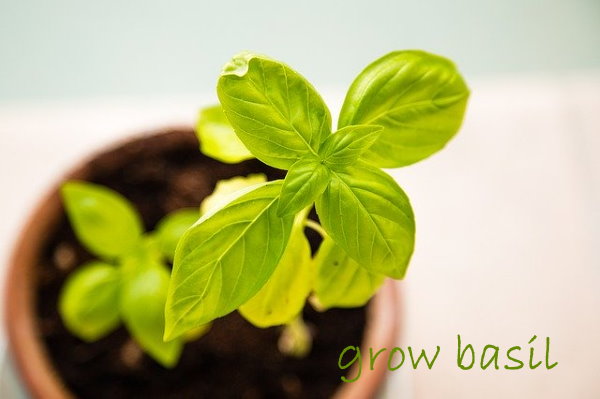
Indoor Herb Garden
A dash of oregano and a pinch of parsley is only an armslength away when you grow fresh culinary herbs in your kitchen.
Herbs need at least 6 hours of sunlight a day, making them ideal for a sunny kitchen window.
Don't have a sunny spot? Set pots under a grow light, keeping the light 6 inches above the tops of the plants for about 14 hours a day.
Take a look at indoor herb gardens for ideas on what to grow, plus all the how-tos for successfully growing herbs. Make it easy on yourself with an herb kit that takes away all the guesswork.
Office Plants

Did you know that office plants are good for you?
Okay, they won't bring your coffee, but they will boost your mood and create an instant garden ambiance right there on your desk.
Check these out. It's never been easier to find a few good candidates to share your office space.
Here's what others are saying about Guide-to-Houseplants.com!
|
"Your website is brilliant! I constantly refer to your site ...your hard work is much appreciated!" Alex, UK |
"This is the BEST website I have come across. Thank you for all the help and information!" Julie, US |
"It's fun to browse around, learn about different plants, and think, 'Oh, I've gotta try that one!' You've turned my interest into a passion." Jenn, US |
Stay Up to Date
Guide-to-Houseplants.com is all about getting to know your indoor plants so you can bring out their best.
My hope is that it will give you an easy-to-use resource -- a place to turn when you need quick solutions, helpful how-tos, and maybe inspiration to grow something new.
Pages and tips are added all the time. Subscribe to my blog and you'll always be the first to know about new features, articles and updates.
Enjoy your visit!

More to Explore


-
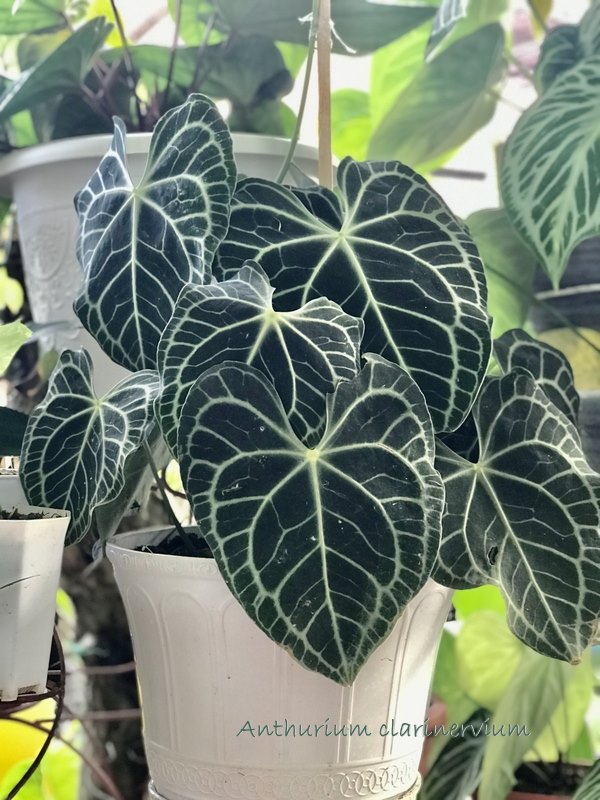
Anthurium Clarinervium Care: How to Grow this Houseplant
Apr 28, 24 11:07 AM
 Anthurium clarinervium sports decorative, heart-shaped leaves, giving this houseplant a stunning style all its own. Find out how to grow this beauty indoors.
 -
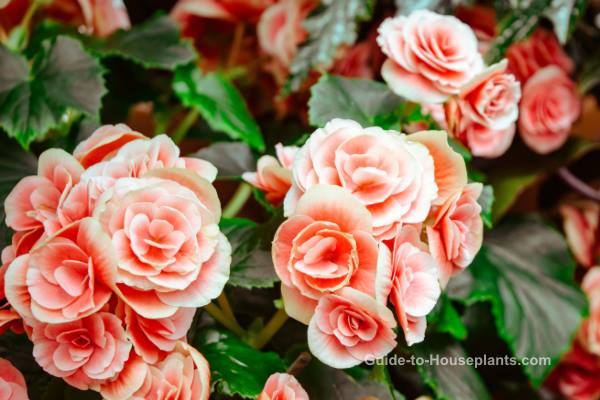
Begonia Care: Grow Tuberous Begonia Hybrids Indoors
Apr 23, 24 12:10 PM
 Get begonia care and grow Reiger begonia and other tuberous hybrids as houseplants. Discover how to get the most flowers and rebloom your begonia.
 -
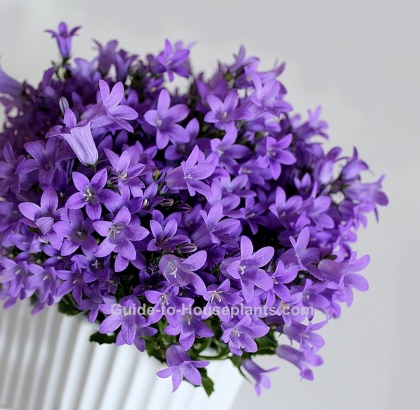
Campanula Flowers Make Gorgeous Houseplants
Apr 20, 24 01:07 PM
 Campanula flowers look best spilling over a tall pot. Get tips for growing campanulas indoors, how to get the most blooms, when to repot, and more.