Indoor Herb Gardens
Indoor herb gardens allow you to enjoy fresh herbs year-round. Imagine snipping fresh sprigs of rosemary for your favorite savory dishes...and harvesting aromatic mint leaves to flavor teas -- right from your kitchen window herb garden.
If you live in a cold-winter region, indoor herb gardens will give you a steady supply of fresh culinary herbs right through the winter months. Store-bought herbs just can't match the flavor and aroma of freshly harvested herbs. If you cook at all, you'll find that growing herbs yourself is tremendously rewarding.
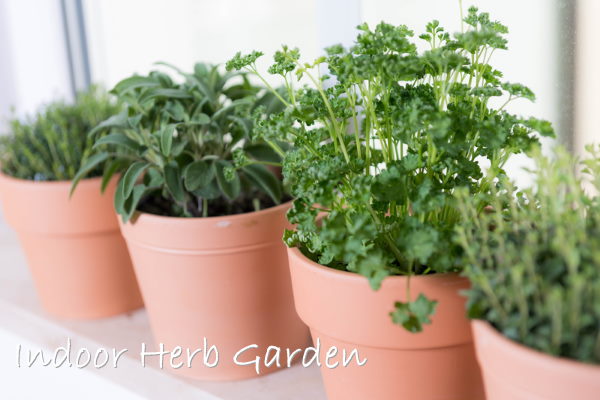 Herbs grow easily indoors when given plenty of light. Photo: © Sabine Katzenberger
What types of herbs should you grow? Some easy herbs to grow indoors are rosemary, parsley, chives, mint, basil, thyme, oregano, cilantro and sage.
Getting set up is easy. Growing herbs indoors is low-effort and low-cost.
You can successfully grow many herbs from seed, however it may take several months before you can harvest them.
It's a cinch to find inexpensive herb plants for sale. Herb garden kits make it even easier.
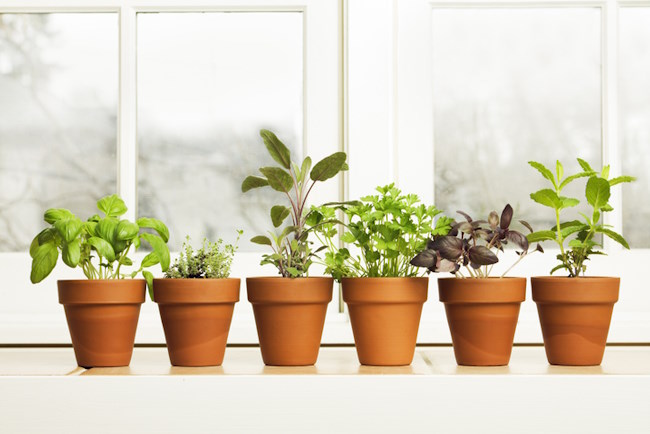
Herb Identification
The herbs shown here are (from left to right):
- basil
- thyme
- sage
- Italian parsley
- red basil
- mint
Herb Planters
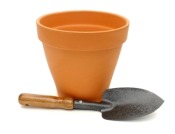
The types of herb planters you use are up to you. Just about anything will work as long as it has good drainage. Herbs don't like soggy soil and won't live long if they are overwatered.
I prefer terra cotta pots because they are porous. Unglazed terra cotta allows the potting soil to dry out faster so it prevents waterlogged roots.
I've also planted several herbs together in one big terra cotta bowl -- it had a drainage hole and saucer and suited the herbs just fine.
Care of Indoor Herb Gardens
Give your plants plenty of light. Most herbs need at least 6 hours of direct sun every day. Put them in a sunny window, sunroom or greenhouse. If your herbs get light from only one side, turn them once in a while so that all sides get the light they need for even growth. Another good option for sun-loving indoor herb gardens is artificial lighting.
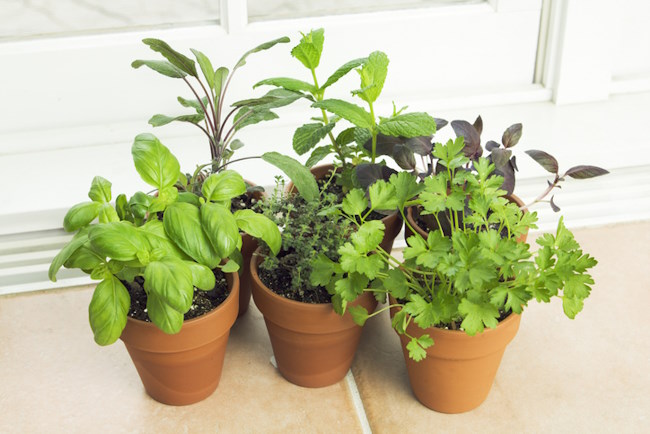
Drench and dry. Water your herb plants until you see it flow from the drainage hole. Then, empty the saucer so that the soil doesn't continue to soak up water. Allow the top inch of soil to dry between waterings. Check your herbs often in the heat of summer -- they may need watered more often than usual. Herbs kept outdoors are thirstier, so if you shift your plants outdoors for the summer, check on them every day.
Feed weakly. Herbs grown in containers will benefit from a little fertilizer. During the growing season, feed them with liquid fertilizer diluted to half-strength. You can use time-release granules, if it's more convenient. Different herbs may have different requirements, so it's a good idea to find out which nutrients your herbs need and how often to fertilize them. Don't fertilize herbs in the winter, when there is little plant growth. Even perennials need a rest.
Grow a Bouquet of Lavender
Discover how to grow lavender and enjoy this delightfully fragrant herb indoors. Put lavender in a sunny window and you'll find that it's easy to grow.
Preserving Herbs
What do you do with a bountiful crop of herbs?
Herbs benefit from snipping them often. Find out the best time for harvesting herbs, plus some other good tips.
If you want to preserve your fresh herbs, there are several ways to keep them. Discover the steps to freezing herbs, and find out how to dry herbs by air-drying and quick-drying.
Recent Articles


-
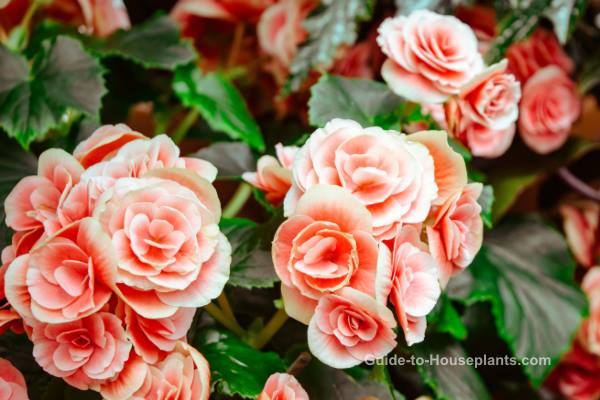
Begonia Care: Grow Tuberous Begonia Hybrids Indoors
Apr 23, 24 12:10 PM
 Get begonia care and grow Reiger begonia and other tuberous hybrids as houseplants. Discover how to get the most flowers and rebloom your begonia.
 -
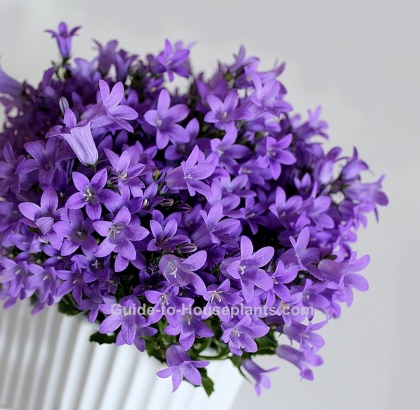
Campanula Flowers Make Gorgeous Houseplants
Apr 20, 24 01:07 PM
 Campanula flowers look best spilling over a tall pot. Get tips for growing campanulas indoors, how to get the most blooms, when to repot, and more.
 -
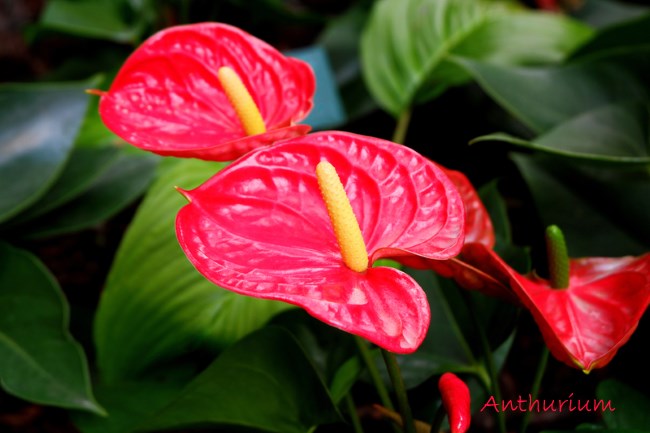
Anthurium Plant Care - How to Grow Anthurium andraeanum Indoors
Apr 17, 24 12:25 PM
 Anthurium plant is one of the world's most exotic tropical flowers. Discover Anthurium growing tips: sunlight, fertilizer, watering, repotting.