House Plant Pots and Containers
Your options for house plant pots and containers are wide. Just about any box, basket, pot or dish is a possibility for plants.
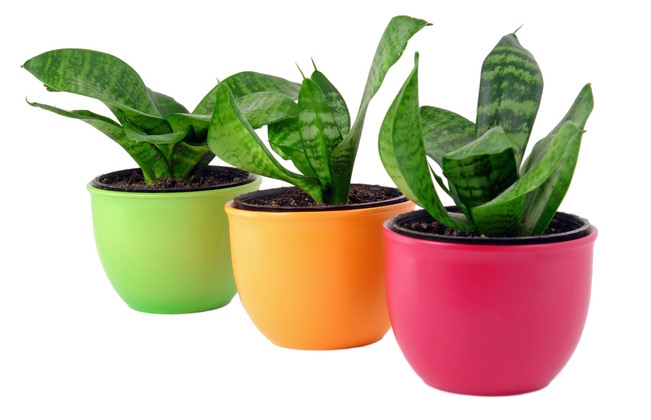 Photo: matejmm | istockphoto
Whatever its size or shape, your container must have drainage holes in the bottom to allow excess water to escape.
If you want to use a decorative container that doesn't have drainage -- often called a cachepot -- you can slip a plastic container with holes inside the cachepot. I use pebbles in the bottom of cachepots so that the plants are not sitting in drainage water.
Disclosure: Guide-to-Houseplants.com participates in affiliate programs. If you make a purchase following one of the links on this page, I may make a commission at no additional cost to you.
Aqua Stoneware Planter


Give this Stone & Beam Two-Toned Planter
Made of glazed stoneware -- color-of-the-moment aqua on top and an ornate design on the bottom -- this house plant pot is a work of art you'll be proud to display.
Ideal for a large houseplant, it's about 10" tall and wide. Use it as a cachepot -- just slip a plain nursery pot with drainage holes inside this planter to protect your table from drips.
Choose a container that not only complements your decorating style, but suits your plant as well. Climbing plants like bougainvillea, hoya and jasmine need support. Put your climbers in a trellis planter to show them off.
Does size matter? You bet. The container should be proportionate to the plant. Basically, you should choose the smallest container that will accommodate the roots of the plant. Moisture will be absorbed quickly in a small pot, preventing it from getting waterlogged. A too-large pot will retain too much water.
Plastic Pots
Plastic house plant pots are light-weight and low-cost, making them a popular choice for indoor gardeners.
They're time-savers, too. Since plastic pots are not porous like clay, soil will retain moisture longer and your plants will need watering less often. There is one hitch, though. Because air cannot circulate through plastic pots, you'll want to use a potting mix that drains well.
Many plastic house plant pots have snap-on trays, which do a great job of catching water that drips from the bottom of the pots -- a must-have feature for hanging baskets.
Since self-watering containers hit the scene several years ago, they've come a long way in form and function. They truly cut down on watering chores and are worth seeking out.
Terra Cotta Pots
Simple clay flower pots come in just about every size and depth. They're inexpensive and easy to find at garden centers and nurseries.
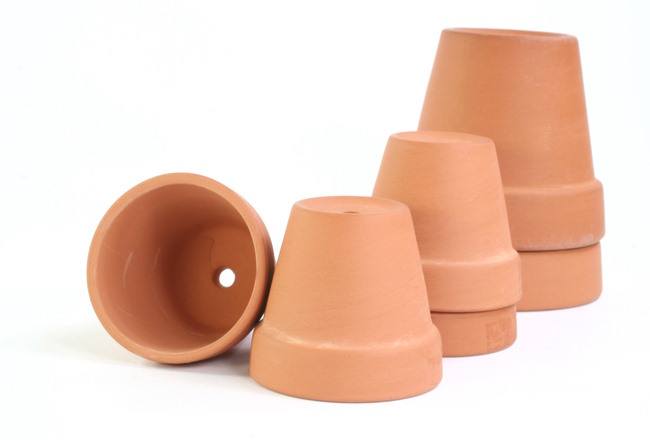 Photo credit RainforestAustralia / istockphoto.com
These clay pots also have drainage holes -- a must -- to prevent the plant from becoming waterlogged. Just be sure to slip a saucer under the pot to catch any drips that come through the bottom.
Another big advantage of terra cotta is that it's porous, allowing moisture to evaporate from the soil so that roots can get the oxygen they need. New terra cotta pots are so dry that they can steal water from the soil you put in them, leaving the plants thirsty. It's a good idea to soak the pots overnight before planting in them.
Be aware that a plant in a porous clay pot will need watered more frequently than one in a plastic or glazed container. This type is ideal for house plants that don't like a lot of moisture in the soil, such as cacti and other succulents. In fact, I can't imagine planting a cactus in anything else.
House Plant Pots and Planters for Sale
Blue Ceramic Pot with Stand
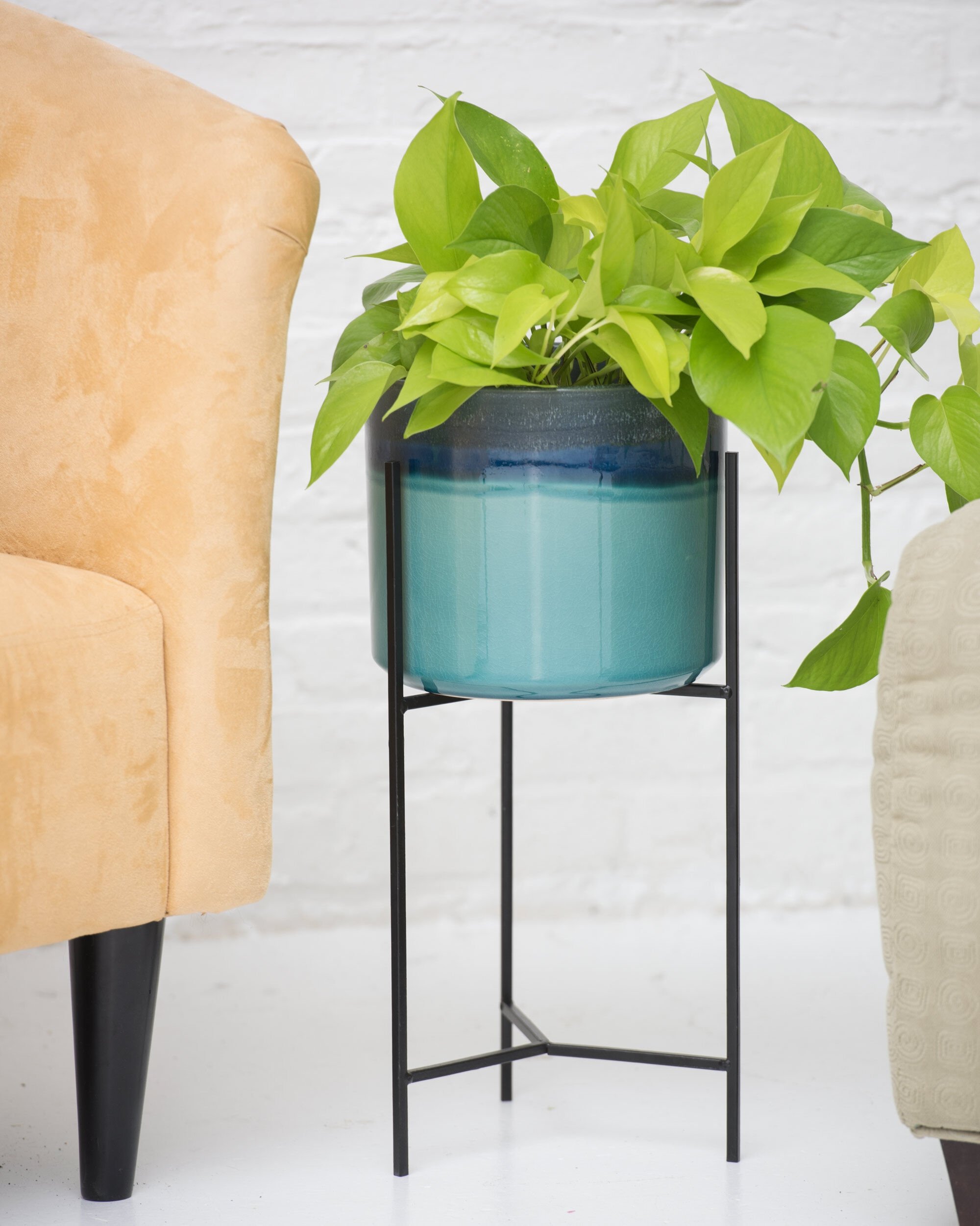
Add a splash of color with this Azure Ceramic Cachepot with Stand.
Merely 23 inches tall, this indoor plant stand is ideal for adding a houseplant near a sofa or desk where you can admire it.
No-drainage pot catches drips to protect your furniture. Let this beautifully glazed ceramic pot bring charming minimalistic style into your home.
Ceramic Pot with Bamboo Stand (Set of 2)
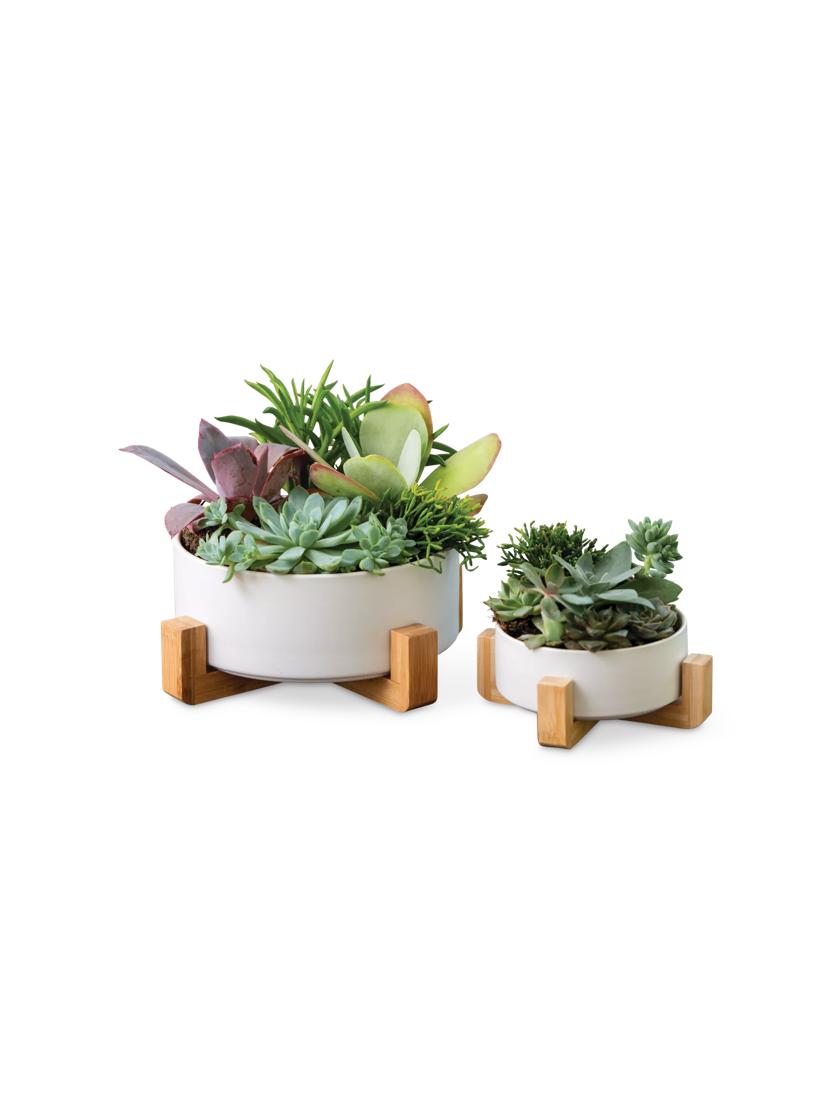
Give your house plants instant continuity by pairing them in this Ceramic Pot with Bamboo Stand (Set of 2).
Made of glazed ceramic, these simple, shallow planters blend seamlessly with your style -- whether it's contemporary, country-chic or traditional.


Mid-Century Planter with Iron Stand
Give a small plant a boost in this Mid-Century Ceramic Planter with Iron Stand
Made of heavy ceramic, this retro planter is glazed in a beautiful two-tone white and pale green. Stylish all on its own, this statement piece is set in an iron stand (approximately 17-inches high). You'll treasure this mid-century-style planter for many years. It makes a welcome gift too.
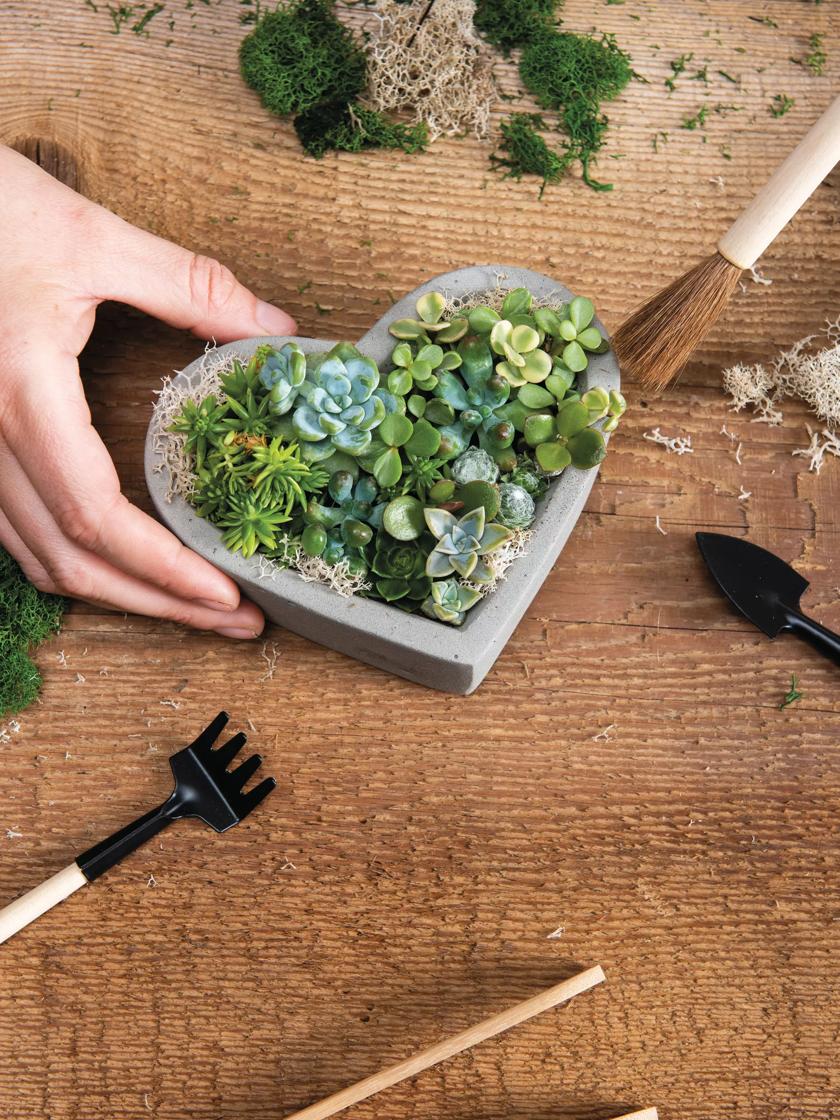
Heart-Shaped Concrete Planter
Elevate your succulent houseplants to a new level. Use this set of 3 Heart-Shaped Concrete Tabletop Planter to
give tiny succulents fresh new style.
Succulents are hot, hot, hot right now, and this idea will showcase them in a whole new way.
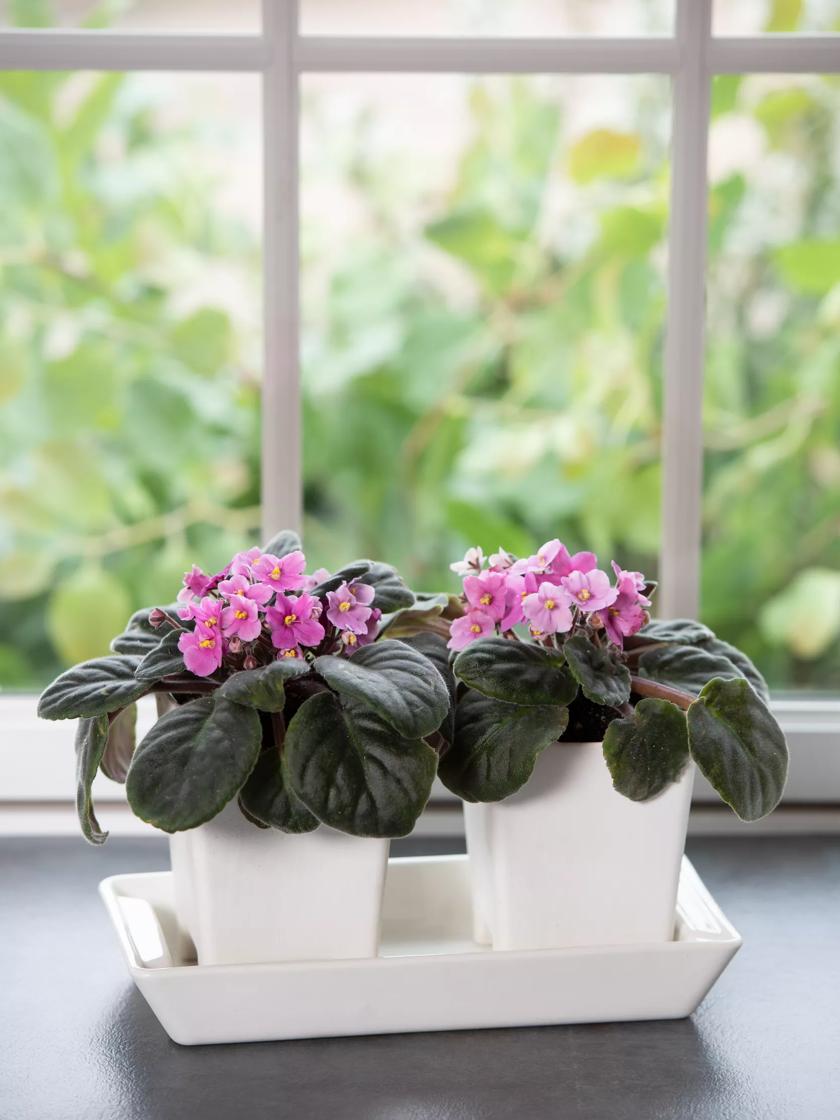
Self-Watering Windowsill Planters
Practical Stoneware Self-Watering Windowsill Planters (Set of 2)
lend instant continuity to your smallest plants, wherever you display them.
Made of white ceramic with capillary strips to wick water from the tray, keeping your houseplants well-watered.


White Faux-Marble Planters
These small White Ceramic Planters
Made of durable, white ceramic, this set of 2 planters are painted with marble detailing and gold accents. Elegant and refined, they complement any plant pair without upstaging them. Place these planters on a plant stand or small table...they fit in beautifully anywhere.
More to Explore


-
Rosary Vine Plant Care - How to Grow Ceropegia Woodii Houseplant
Jan 13, 26 10:59 AM
 Rosary Vine has charming heart-shaped leaves that grow along slender stems. Ceropegia woodii is a captivating houseplant and is easy to grow.
 -
Chinese Evergreen Plant Care: How to Grow Aglaonema Indoors
Jan 12, 26 01:16 PM
Chinese Evergreen plant is easy to grow, and tolerant of low light and low humidity. Find out when to water, how to fertilize and why you shouldn't prune this plant. -
Satin Pothos Care - Scindapsus pictus 'Argyraeus'
Jan 09, 26 11:16 AM
 Beautiful satiny gray-green leaves makes Satin Pothos a favorite house plant. It also happens to be easy to grow. Get care tips for light, water and pruning.


