Growing Olive Trees Indoors
Growing olive trees indoors has become popular in recent years -- and for good reason. This Mediterranean native is tolerant of dry air and (somewhat) dry soil, making it an extremely adaptable house plant.
In this guide, you'll discover how to grow and care for a dwarf olive tree as a house plant, and what you need to know about pruning.
Get to Know Your Olive Tree
Olives trees are known botanically as Olea europaea, and includes hybrids of this Mediterranean plant.
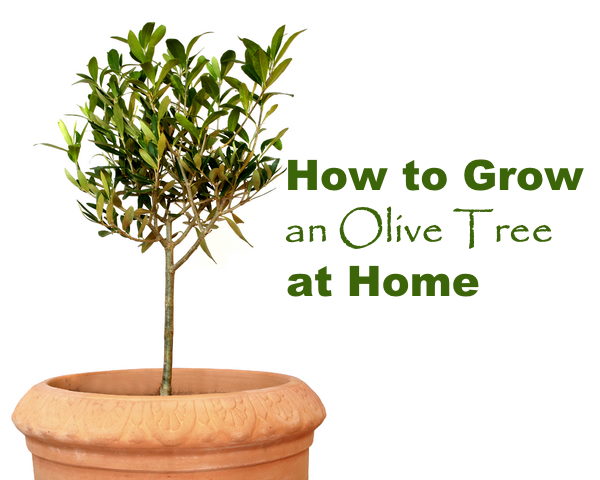
In its natural habitat, an olive tree can reach 20 ft (6 m) tall or more. However, indoors, planted in a pot, you can keep it much smaller. Dwarf olive trees only grow to 6 ft (1.8 m). Pruning olive trees will keep them compact.
Olive tree branches are covered with attractive, narrow, gray-green leaves that grow 1-3 inches (2.5-8 cm) long. The undersides of the leaves are covered with fine hairs.
Clusters of small, creamy white flowers may appear in the axils of the leaves in summer, followed by ripening fruits. Give your growing olive tree plenty of sunlight to get it to bloom. Although the flowers aren't long-lasting, they are delightfully fragrant.
No blooms? Don't be too disappointed if your indoor olive tree doesn't flower and fruit. It makes a beautiful houseplant year-round, and this evergreen tree is long-lived.
Dropped leaves? Dry soil may cause your olive tree to drop its leaves. Don't give up on it, though. Your olive tree will quickly grow a new flush of leaves when it gets what it wants.
Something bugging your houseplant? Watch for scale insects. They are tiny, brown, oval-shaped bugs often found along plant stems and the undersides of leaves, along the midrib. Gently scrape them off, or wipe them off with a damp cloth, if you can, then treat your plant with neem oil.
How to Prune and Repot Your Olive Tree
Pruning your Olive Tree - When, Why and How to
- Prune your plant back when new growth begins in spring to keep it compact.
- Pruning olive trees long branches will promote vigorous new growth and an attractive shape.
- Use sharp pruners to cut the stem at a 45° angle, 1/4-inch above a leaf node (where a leaf attaches to a stem). Making cuts here will force branching from just below where the cut was made.
Tips for Repotting Your Indoor Olive Tree
- Repot in spring.
- Move a young olive plant to a pot that's just 1 size (1-2 inches (2.5-5 cm)) larger every couple years or when it outgrows its pot. Olive trees are slow-growing, so don't be in a hurry to move it up to a larger pot.
- Keep the crown of the plant at the same level as it was; don't bury the stem because the plant may suffer from stem rot.
- Always use a pot with a drainage hole to prevent soggy soil and root rot.
- Large plants can be top-dressed each year, instead, by replacing the top 2-3 inches of soil.
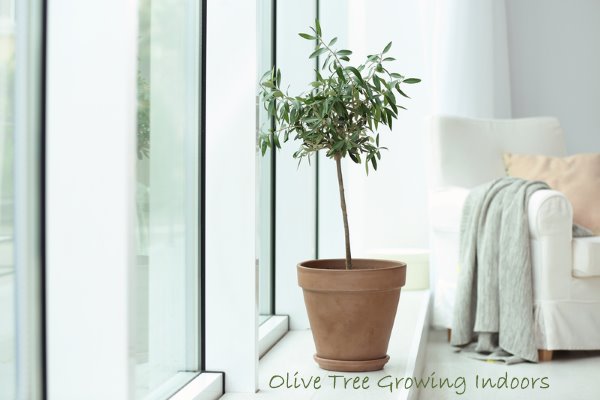 Give your olive tree plenty of sunlight year-round. Photo ©Chernetskaya
Buy Olive Trees
You can buy olive trees from online nurseries. Look for a dwarf olive tree -- this is an attractive non-fruiting tree that will stay much smaller, making it an ideal house plant. A bonsai olive tree also makes a beautiful accent for a sunny room.
You'll find that growing olive trees indoors is well worth it. These evergreen trees are low-maintenance and long-lived.
Tips for Growing Olive Trees Indoors
Origin: Mediterranean
Height: Up to 10 ft (3 m) when grown in a container. Dwarf varieties reach up to 6 ft (1.8 m). Pruning olive trees will keep them compact. A bonsai olive tree is pruned and shaped to stay much smaller.
Light: Full sun. Growing olive trees need as much direct sunlight as possible year-round. Give the plant a quarter turn every week in front of the window to ensure even growth. Moving your plant to a sun-drenched porch or patio for the summer will give it a boost. Olive trees also grow well under an indoor plant light.
Water: Growing olive trees are thirsty spring through fall. Water thoroughly, then allow top 2 in (5 cm) of soil to dry out between waterings. Don't allow the soil to get soggy which can quickly kill this tree. Reduce water in winter, when plant growth has slowed.
Humidity: Average room (around 40% relative humidity); tolerant of dry air.
Temperature: Warm 65-80°F/18-27°C. Olive trees will tolerate high temperatures, so don't worry about putting your tree outdoors for the summer -- it can take the heat. It will tolerate a minimum of 40°F/4°C, so bring it indoors for the winter.
Soil: Sandy, fast-draining mix, such as a cactus potting mix.
Fertilizer: Feed every 2 weeks in spring and summer with a balanced (such as 10-10-10 N-P-K) water-soluble fertilizer diluted by half. Or apply a slow-release fertilizer in early spring.
Propagation: Sow seeds or take stem tip cuttings in spring. With a sharp knife or razor blade, take a 4-inch (10 cm) stem tip cutting with 2-3 leaf nodes. Dip cut end in hormone rooting powder before inserting in moist potting mix. Olive tree cuttings do not root easily.
More to Explore


-
Satin Pothos Care - Scindapsus pictus 'Argyraeus'
Jan 09, 26 11:16 AM
 Beautiful satiny gray-green leaves makes Satin Pothos a favorite house plant. It also happens to be easy to grow. Get care tips for light, water and pruning.
 -
Inch Plant Care: Grow Trailing Tradescantia Zebrina as a Houseplant
Jan 08, 26 10:44 AM
 Get the keys to Inch Plant care with this easy guide. Glistening purple and green striped leaves make this stunning trailing plant ever-popular.
 -
Small Leaves, Spectacular Style
Jan 07, 26 02:52 PM
Big-leaf houseplants seem to get all the attention these days. But don't overlook smaller plants that are just as eye-catching, if not more. Some are compact, better behaved, and well, downright easy…

