Cymbidium Orchid Plants
Cymbidium orchid plants are easy to grow as houseplants. Cherished for their big, exotic blooms, they are sometimes mistakenly believed to be difficult to grow at home. However, this is one of the most adaptable to living indoors. With this guide, you'll discover cymbidium orchid care tips and find out how to coax the most blooms.
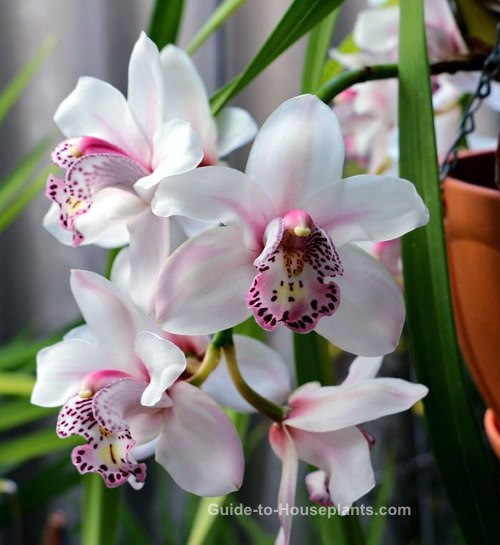 With plenty of light, Cymbidiums flower in winter and early spring.
Get to Know Cymbidiums
Cymbidium orchid plants are among the easiest to grow indoors. Don't treat them like Phalaenopsis orchids -- Cymbidiums need more sunlight and cooler temps.
Cymbidiums grow clumps of fat, stem-like pseudobulbs that emerge from rhizomes. Long, leathery leaves surround the pseudobulbs, arching outward.
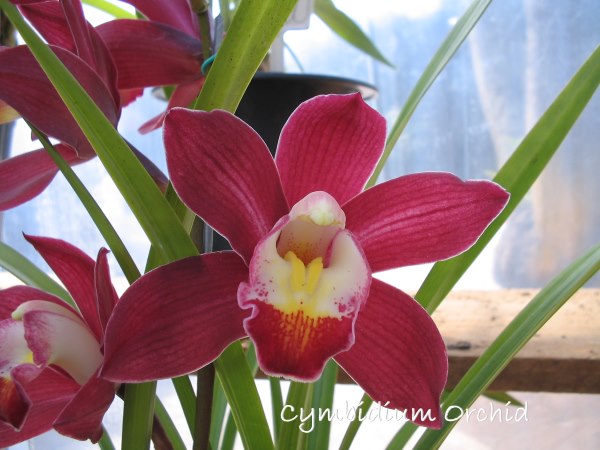
For several weeks in winter or spring, sprays of long-lasting flowers open along the length of the upright stalk. Flowers are available in pink, white, red, green and yellow. The easiest way to identify Cymbidium flowers is the contrasting 3-lobed center with a spotted lip.
Cymbidium Orchid Care Tips
Shed some light. Put your cymbidium orchid plants where they'll get plenty of light. If you don't have a spot near a window, fluorescent lighting works beautifully. Use 1 warm white tube and 1 cool white tube under a reflector. Place orchids about 8 inches (20 cm) beneath the light for 14-16 hours a day. It's also important to give them darkness at night. Orchids need a rest, too.
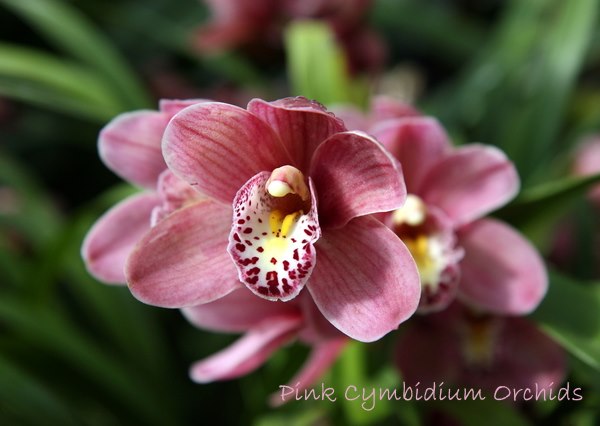 Cymbidiums bloom abundantly, with flowers lasting 8-10 weeks. Photo: Thad Zajdowicz
Without question, orchids love humidity. If relative humidity drops below 50%, use a humidity tray or room humidifier to increase the moisture in the air. Grouping plants also helps to maintain the humidity around them.
Give it some air. Giving your cymbidium orchids plenty of air circulation will help to prevent fungus. Place orchids where they'll enjoy free-flowing air, away from heat or AC vents.
To repot...or not. The main ingredient in orchid potting mix is fir bark, which breaks down after a couple years and needs replaced. Cymbidiums bloom best when slightly pot-bound, so you can keep them in the same container or go 1 size up. The best time for cymbidium orchid repotting is in summer, after it stops blooming.
Give it a rest. Cymbidium orchid plants need cool temperatures to trigger flower buds. Give them 6 weeks of cool (45-50°F/7-10°C) temperatures in late fall. Cut back on watering during this cool rest, keeping the medium only lightly moist. After that, you can move your orchid back to its usual location.
Something bugging your plant? Watch for mealybugs -- orchid plants worst enemy. While they are tiny, these white, cotton-like pests can do a lot of damage by sucking plant juices from the leaves. Isolate any infested plant and treat it right away. You can help prevent pests by gently wiping leaves with a damp cloth.
Cymbidium Varieties and Buying Tips
The Orchidaceae family is the biggest in the plant kingdom, boasting more than 30,000 species. Although Cymbidium species are few in number, modern hybrids offer a big variety of colors and sizes, with long-lasting flowers.
You'll find Cymbidium orchids for sale in the winter and spring, when they're in bloom. Thousands of hybrids are available. Miniature Cymbidium orchids hybrids tolerate the warmth of heated homes better than most.
Choose an orchid with plenty of unopened buds and you'll enjoy several weeks of blooms.
Growing Cymbidium Orchid Plants
Origin: Southeast Asia, Australia
Height: Species vary widely -- many range from 12-30 in (30-75 cm). Tall flower spikes may need staking to prevent them from snapping off from the weight of the blooms.
Light: Bright indirect light year-round. Keep them shaded from hot, direct sun in summer, which can scorch their leaves. Some direct sun in winter is fine.
Water: Keep soil evenly moist from spring through summer. Cut back on watering during the cool period in fall. In winter, water just enough to prevent the potting medium from drying out.
Humidity: Moderate to high, preferably 50-70% relative humidity. Use a cool-mist room humidifier, if needed. Indoor air can become extremely dry during the winter months, without our noticing it. It's a good idea to use a humidity monitor near your orchids, rather than guess. I'm often surprised by how the humidity can fluctuate from day to day and room to room.
Temperature: Average room temperatures (60-75°F/15-24°C), except for a cool period in fall (45-50°F/7-10°C) to set buds.
Soil: Orchid potting mix is ideal because it is fast draining
Fertilizer: Feed every 2 weeks with an orchid fertilizer in spring and summer. Don't feed while orchid is resting.
Propagation: Division. Divide mature Cymbidium orchid plants immediately after flowering by cutting the rhizome with a sharp knife. Each piece should have at least 2 pseudobulb shoots and some roots attached.
More to Explore


-
Blue Star Fern Care to Make Your Houseplant Thrive
Jan 16, 26 10:36 AM
 Get Blue Star Fern care and discover how to make this tropical houseplant thrive. Find out how much light, water, and fertilizer it wants year-round.
 -
Rosary Vine Plant Care - How to Grow Ceropegia Woodii Houseplant
Jan 13, 26 10:59 AM
 Rosary Vine has charming heart-shaped leaves that grow along slender stems. Ceropegia woodii is a captivating houseplant and is easy to grow.
 -
Chinese Evergreen Plant Care: How to Grow Aglaonema Indoors
Jan 12, 26 01:16 PM
Chinese Evergreen plant is easy to grow, and tolerant of low light and low humidity. Find out when to water, how to fertilize and why you shouldn't prune this plant.


