Guzmania Lingulata 'Scarlet Star'
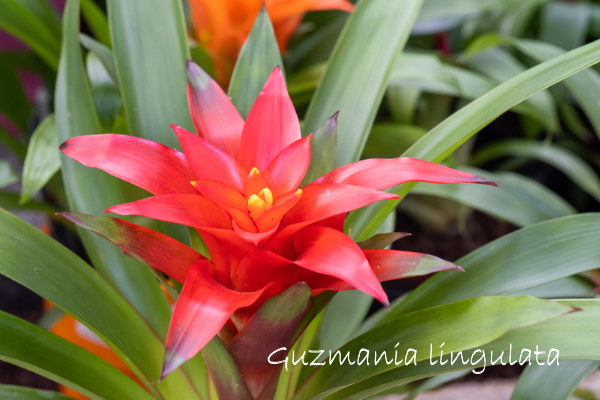
Guzmania lingulata 'Scarlet Star' is one of the most common house plants from the Bromeliad family. Other popular cultivars have bright yellow or orange bracts.
New varieties of Guzmania lingulata are introduced all the time. Choose what you like -- they're all spectacular. 'Orange Star' has long-lasting orange bracts. 'Luna' is a popular variety with mauve bracts. 'Rana' is a newer hybrid with a slightly larger flower spike than the species, in orange-red.
Get to Know Guzmania Lingulata
Leathery, glossy green leaves grow in a rosette that creates an urn which must be filled with water at all times. This is the only plant I know of that should be watered in its center and will not rot.
After 3 or 4 years, 'Scarlet Star' produces a flower head made of bright red bracts that rise in the plant's center and last about 5 months. Its small, white true flowers are almost hidden by the bracts.
This beauty grows on trees in its native Central and South America. It's known as an epiphyte -- perched on branches, where it receives indirect sunlight through the rainforest canopy.
Bromeliads add dazzling color and a tropical feel to any room. Get one for your office, too, and make a bold statement. It grows well under the fluorescent light of offices. Keep it out of direct sunlight to prevent the bract color from fading.
How big does it get? This Bromeliad will grow up to 12 in (30 cm) tall. Its leaves can reach up to 18 in (45 cm) long.
Guzmania lingulata won't need repotted until it produces offsets. In fact, keeping it in a small container helps promote blooming.
If you want to cover up a plain nursery pot, just slip it in a decorative container. It's a good idea to place some small rocks in the bottom of the container to keep the nursery pot above the drainage water. Bromeliads have small root systems and won't tolerate soggy soil.
Plants bloom once and then die, a slow process that takes up to 3 years. Propagating its offsets -- or pups -- that grow at the base of the plant will give you a collection that blooms year after year.
Guzmania Lingulata Problems, Solutions and Special Helps
Brown leaf tips may be caused by dry conditions. See "Water" tips below. It also can be a symptom of dry air.
Dry, brown patches on leaves are caused by hot, direct sunlight. Remember, this rainforest native likes indirect light.
No flowers? Bromes that are more than 3 years old that fail to flowers probably aren't getting enough light. Move your houseplant to a brighter location, but keep it from direct sunlight.
Something bugging your Bromeliad? Watch for brown, disc-like insects called scale, along the stems and undersides of leaves. Another pest to watch for is mealybugs that look like white, fuzzy patches that cluster at the base of leaves. Isolate any infested houseplant and treat it right away. These tiny insects multiply quickly, causing harm by sucking plant juices.
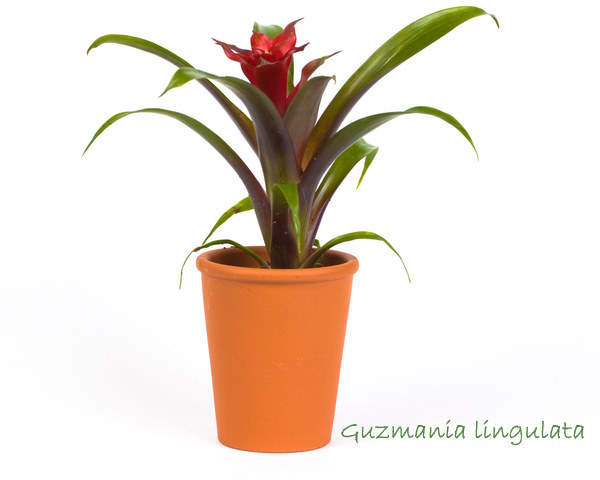 Image Anthro / istockphoto.com
Guzmania Lingulata 'Scarlet Star' Growing Tips
Light: Put this tropical house plant in a bright location out of direct sun. Sun exposure can cause brown spots on leaves. It will thrive in the bright fluorescent light of an office.
Water: Water the center of the rosette and keep 1 in (2.5 cm) of water in its urn (center of the rosette) at all times. Bromes are sensitive to the chlorine and fluoride in tap water. Use distilled water or rainwater and allow it to warm up to room-temperature first. Houseplants hate cold water! Water soil just enough to keep the roots barely moist. Empty old water from the urn every week and promptly replace it with fresh water.
Humidity: Prefers high humidity. Try to maintain at least 50% relative humidity near your Bromeliad; the most efficient way to do this is to set your plant on a humidity tray or use a cool-mist room humidifier.
Temperature: Average to warm (65-80°F/18-27°C). Keep your plant out of cold blasts from windows and doors during the winter. Also shield it from heat/AC vents.
Soil: Bromeliad or orchid potting mix. Or mix equal parts fine-grade fir bark and all-purpose potting mix.
Fertilizer: Feed monthly spring through summer with a balanced water-soluble fertilizer diluted by half in the plant's urn, then empty it after 1 week and fill with water. Or mist the leaves with a weak foliar fertilizer once a month.
Propagation: Cut off the offsets (pups) when they reach 3 in (7.5 cm) tall and plant them in fresh, barely moist potting mix. Maintain high humidity for the pups for the first month.
More to Explore


-
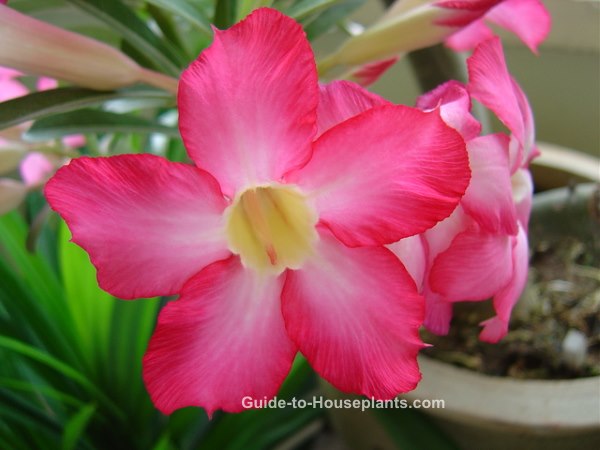
Desert Rose Plant Care: How to Grow Adenium Obesum as a Houseplant
Jul 01, 25 04:38 PM
 Desert rose plant is a beautiful succulent that's easy to grow indoors. Discover how to care for desert rose as a house plant, when to repot, water, fertilize.
 -
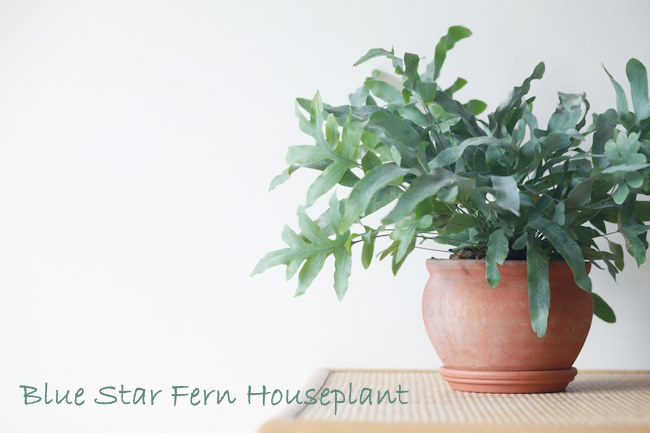
Blue Star Fern Care to Make Your Houseplant Thrive
Jun 27, 25 12:13 PM
 Get Blue Star Fern care and discover how to make this tropical houseplant thrive. Find out how much light, water, and fertilizer it wants year-round.
 -
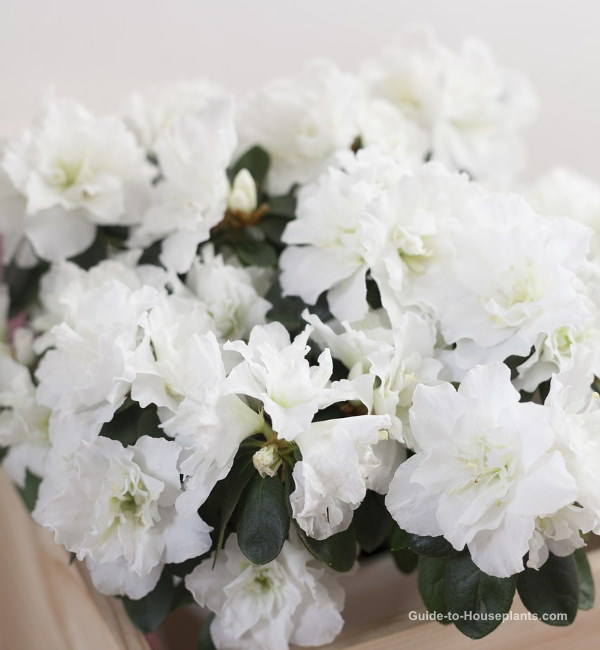
Indoor Azalea Care: How to Grow, Water, Prune this Florist Plant
Jun 24, 25 02:32 PM
 Florist's azalea care tips for growing azaleas as house plants. Get tips for sunlight, pruning and fertilizing, plus how to deal with bud and leaf drop.