Bromeliad Plant Care
Despite its tropical nature, growing a bromeliad plant indoors is easy.
The Bromeliaceae family is sometimes referred to as the pineapple family. However, this clan is a diverse group offering some of the most exotic, flowering house plants you'll find anywhere.
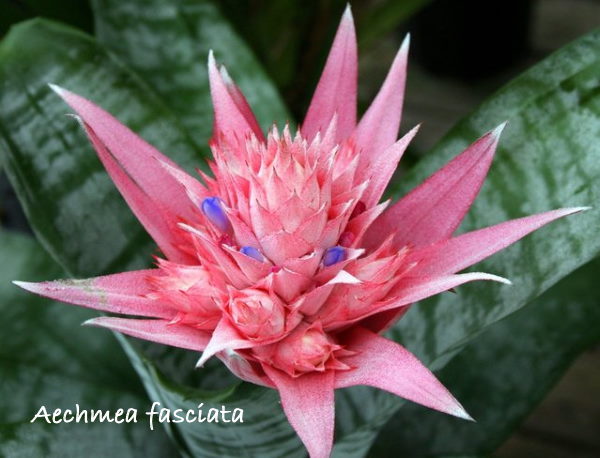
Urn Plant
Purple flowers pop up through pink bracts when the plant is at least 3 years old. The flowers are short-lived, but the bracts will last for months, making this a stunning tropical plant to add to your bromeliad collection.
Even out of bloom, this brome is showy. Known botanically as Aechmea fasciata, its variegated rosette of foliage lends an artful design on its own.
Get care tips for Urn Plant here. You'll discover how to water, when to fertilize, when and how to propagate, plus -- how to coax this plant to bloom.
Scarlet Star
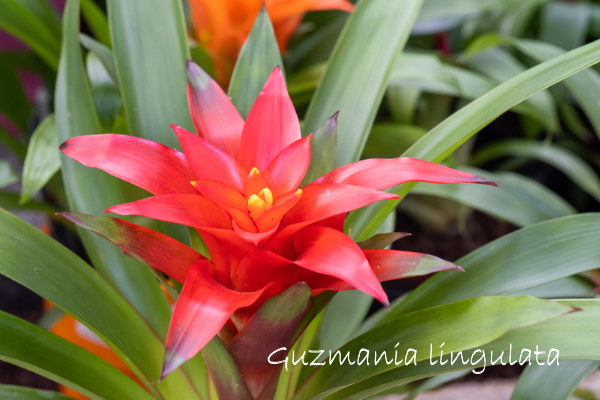
Guzmania lingulata is one of the most popular house plants in this family. And it's no wonder. This showy plant has a long-lasting quilled spike in brilliant red, giving it the common name of Scarlet Star. Other varieties are yellow, orange or mauve.
This tropical bromeliad plant produces offsets -- called pups -- near the base of the plant. Pot up these pups when they are at least 5 months old. You'll have an ongoing collection of beautiful bromes.
Did you know this about bromeliad plants?
Bromeliaceae is one of the most diverse plant families with more than 2,000 species including Spanish moss and pineapple.
Natives of the tropical rain forests of Central and South America, bromeliads fall into two groups: terrestrials, which grow in the soil and epiphytes, which grow on trees. All like warmth, moisture and humidity, and once you get to know their habits, you'll find bromes easy to grow.
Air Plant
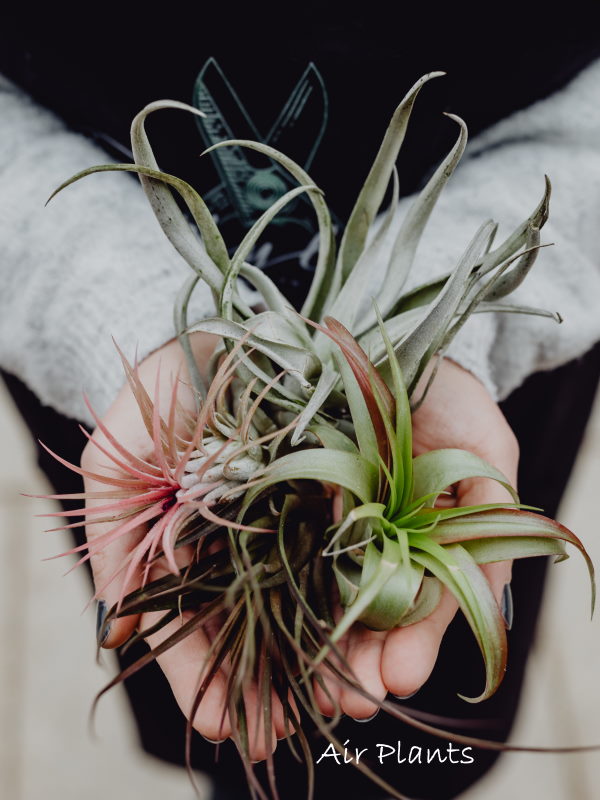
Air Plants are species of Tillandsia. What sets these tropical tree-dwellers apart are their ability to grow virtually anywhere because of their shallow roots.
Grow it in a seashell, or mount the plant on a wreath or a piece of driftwood. Or you can simply tuck an air plant into a small cup or vase. Get as creative as you want -- the possibilities are limited only to your imagination.
Buying Tip
When buying a bromeliad, choose one that hasn't bloomed yet, or is just starting to bloom.
Bromes typically bloom for just a few weeks. Their colorful bracts, however, are long-lasting.
Pink Quill
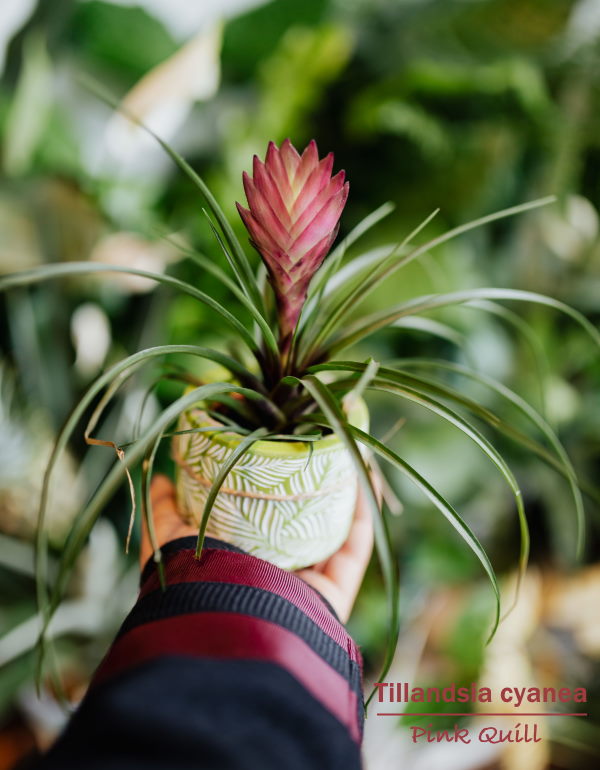
Pink Quill gets its name from the plume of bright pink bracts that last for months. It typically blooms in summer when violet-blue flowers emerge from between the bracts.
This is truly a spectacular flowering house plant to add to your collection.
Pink Quill is the only brome from the Tillandsia genus that can grow in a pot. But its shallow roots give you other options for growing it indoors.
Cryptanthus
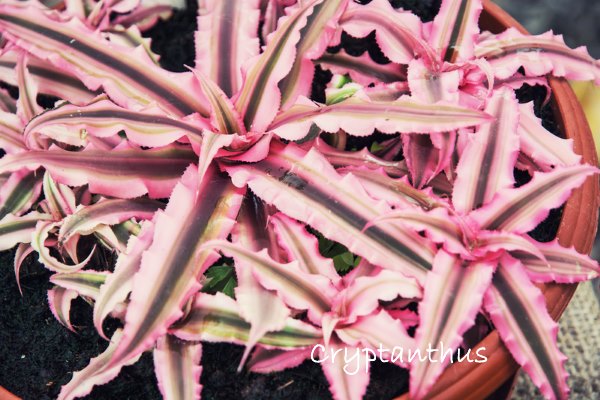
Ground-hugging rosettes in bright colors, exotic patterns and crinkly leaves make Cryptanthus Earth Star a dramatic houseplant.
Tiny, 5-lobed white flowers will appear on mature plants, but are hidden between the leaves and hardly noticeable. That's okay -- you're really growing it for the stunning foliage anyway.
Give it warm temperatures and humidity likes its native Brazilian rain forest habitat and you'll enjoy your bromeliad plant for many years. Bonus: Cryptanthus grows offsets in abundance, so you can have an ongoing collection.
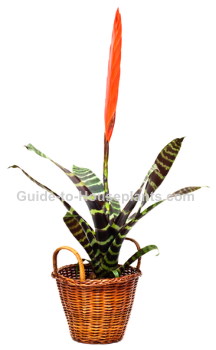
Flaming Sword
Tropical Flaming Sword (Vriesea splendens) is adaptable to living indoors, provided plenty of warmth, sunlight and humidity.
In its native habitat, Flaming Sword catches water in its rosette of leaves, just like Guzmania 'Scarlet Star' (shown above). Keep the center of the rosette filled with water at all times to prevent it from drying out.
As if those wildly striped leaves aren't attractive enough, they're soon upstaged by a fiery red flower spike. That sword-shaped bloom is actually made of upright bracts that are long-lasting. After it blooms, this bromeliad plant will grow an offset at its base. Bromes are plants that keep on giving.
Recent Articles


-
Begonia Care: Grow Tuberous Begonia Hybrids Indoors
Apr 23, 24 12:10 PM
 Get begonia care and grow Reiger begonia and other tuberous hybrids as houseplants. Discover how to get the most flowers and rebloom your begonia.
 -
Campanula Flowers Make Gorgeous Houseplants
Apr 20, 24 01:07 PM
 Campanula flowers look best spilling over a tall pot. Get tips for growing campanulas indoors, how to get the most blooms, when to repot, and more.
 -
Anthurium Plant Care - How to Grow Anthurium andraeanum Indoors
Apr 17, 24 12:25 PM
 Anthurium plant is one of the world's most exotic tropical flowers. Discover Anthurium growing tips: sunlight, fertilizer, watering, repotting.