Billbergia nutans aka Queen's Tears
Botanical Name: Billbergia nutans
This member of the Bromeliaceae family is one of the most exotic, unusual plants you can grow indoors...and one of the most striking.
For some reason, Queen's Tears is not as easy to find in nurseries as its brome relatives. However, you'll find it's easier to please than some and is worth growing.
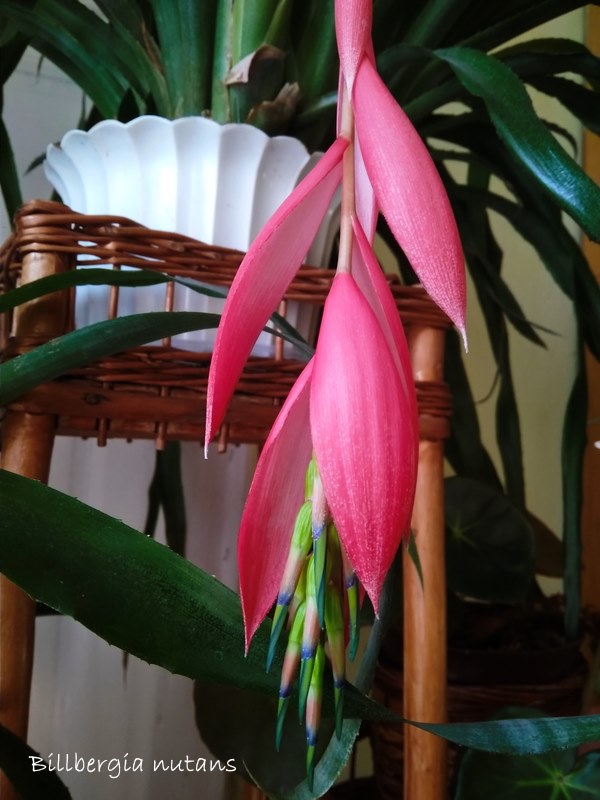
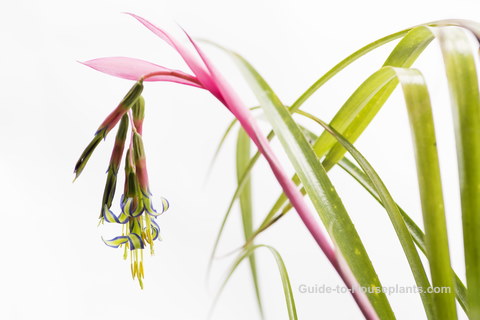 Colorful pendant blooms may appear on Billbergia nutans in spring.
About Your Billbergia Nutans Houseplant
Its thick, strappy leaves arch outward into a fountain shape, making this tropical beauty a graceful accent plant. The foliage can reach up to 15 inches (37.5 cm) tall and about twice as wide, so give this bromeliad plant some room to spread out.
Most bromeliads are epiphytes in their native habitat. Billbergia nutans is often found growing on tree branches in the South American rainforests. They have small roots, mainly used for anchoring themselves on trees, so these tree-dwelling plants gather moisture and nutrients through their leaves.
You can expect flowers in spring when the plant reaches maturity, usually in 2-3 years. The flowers are pink, purple, yellow or green and are surrounded by red or pink bracts.
Billbergia nutans gets one of its common names, Queen's Tears, from the drops of nectar that "weep" from the flowers when the plant is moved or touched.
Because Billbergia nutans readily produces offsets that can be shared with friends, it is also commonly known as Friendship Plant.
Show it Off
You'll enjoy your blooming Billbergia nutans best when it's grown at eye-level.
Give Queen's Tears a boost by setting it in a plant hanger, or on a shelf or plant stand to show off its colorful blooms.
Problems, Solutions and Houseplant Helps
Repot in spring. Young plants should be repotted every year. Use a loose, fir bark mix, such as an orchid mix or one specially labeled for bromeliads. Never repot a plant while it is flowering. Wait till after flowering to repot the offsets.
Got a late bloomer? Bromes that don't produce blooms aren't getting enough light. Move your plant to a brighter location. Moving it outdoors for the summer to a partially shaded spot may be just what it needs. Remember, Billbergia nutans will bloom when it is at least 2 to 3 years old; it may be too young.
You can encourage bromeliads to flower by adding a pinch of Epsom salts (magnesium sulfate) to the water or fertilizer.
Still won't bloom? Give it a nudge with this easy trick: Place a ripe apple or a few apple cores around the plant and enclose the whole thing in a clear plastic bag for a week or two. Ripening apples produce ethylene gas that encourages flower buds to form. Keep your plant out of direct sun while it's covered with plastic to prevent it from getting too hot.
Green Thumb Tip
Use rainwater or filtered tap water for watering and misting your bromeliad. Soft water contains too much salt and some tap water contains chlorine and fluoride that can leave water spots on foliage.
Brown leaf tips are typically caused by dry air. Indoor humidity can drop drastically in the winter months without our noticing it. I use a humidity monitor near tropical plants, rather than guess. Use a cool-mist room humidifier -- it's the best way to raise humidity for your houseplants.
Dry, brown spots on leaves are scorch marks caused by intense direct sunlight. Windows can intensify the sun's rays. Shade this bromeliad from hot sunlight during the summer.
Something bugging your brome? Watch for scale insects; they look like small, round disc-shaped bugs. White, fuzzy patches along the stems and lower parts of leaves are mealybugs. Both of these pests weaken plants by sucking plant juices. They multiply quickly, then may move on to your other indoor plants. Isolate any infested houseplant and treat any infestation immediately.
 Give this cascading houseplant a tall plant stand or hanging basket to show it off.
Billbergia Nutans Care Tips
Origin: Argentina, Brazil and Uruguay
Height: 15 in (37.5 cm) tall
Light: Bright, indirect light. If you move your billbergia outdoors for the summer, keep it in partial shade. Keep an eye on it so the leaves don't turn red or get scorched from too much sun.
Water: Use room-temperature rainwater or distilled water because this rainforest native is sensitive to chlorine and fluoride added to some tap water. Water potting mix just enough to keep the roots barely moist. Do not soak base of plant, which can lead to root rot. In fall and winter, keep the mix slightly drier.
Humidity: Try to maintain 40-50% relative humidity or higher. Brown tips on leaves are caused by dry air. Although billbergias are more tolerant of dry air than other bromeliads, they benefit from frequent misting with water to increase the humidity. If your home is especially dry during the winter months, use a cool-mist room humidifier.
Temperature: In spring and summer, warm temperatures (65-80°F/18-27°C). In fall and winter, slightly cooler (60-75°F/16-24°C).
Soil: Bromeliad or orchid mix is chunky -- ideal fast drainage and also allows air around this bromeliad's roots
Fertilizer: Feed every 2 weeks in spring and summer with a balanced water-soluble fertilizer diluted to half strength. In fall and winter, feed once a month. Use a foliar fertilizer, if you want. Bromeliads take in moisture and nutrients through their leaves so you can add fertilizer to water and spray it on the leaves.
Propagation: Remove offsets -- called pups -- that grow at the base of the plant when they are at least 6 in (15 cm) tall with a sharp knife and pot separately in fresh potting mix. Wait till after flowering to pot up offsets.
More to Explore


-
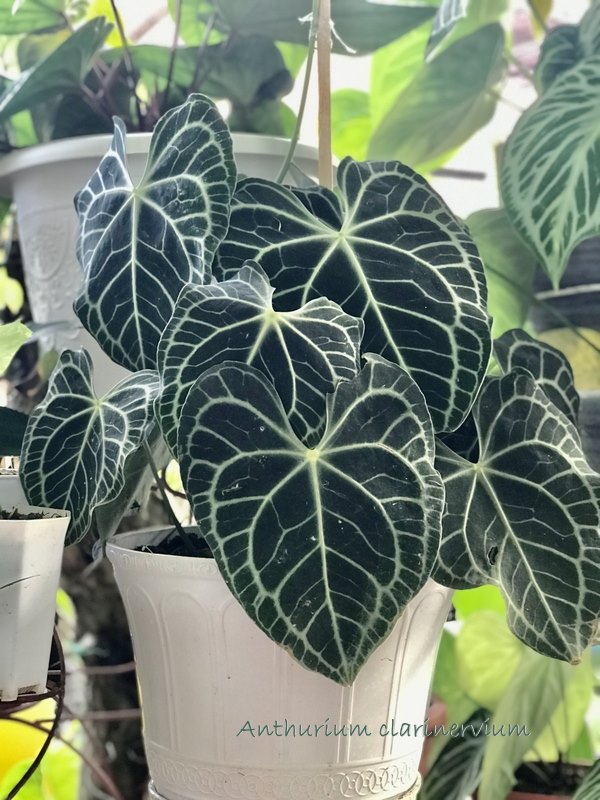
Anthurium Clarinervium Care: How to Grow this Houseplant
Apr 28, 24 11:07 AM
 Anthurium clarinervium sports decorative, heart-shaped leaves, giving this houseplant a stunning style all its own. Find out how to grow this beauty indoors.
 -
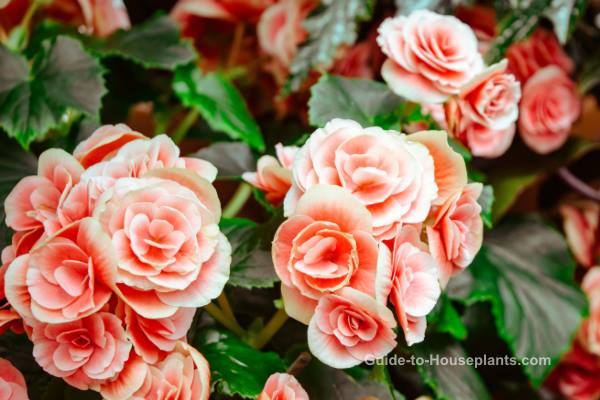
Begonia Care: Grow Tuberous Begonia Hybrids Indoors
Apr 23, 24 12:10 PM
 Get begonia care and grow Reiger begonia and other tuberous hybrids as houseplants. Discover how to get the most flowers and rebloom your begonia.
 -
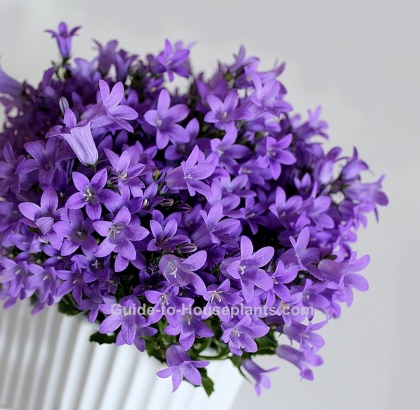
Campanula Flowers Make Gorgeous Houseplants
Apr 20, 24 01:07 PM
 Campanula flowers look best spilling over a tall pot. Get tips for growing campanulas indoors, how to get the most blooms, when to repot, and more.