Care of Asparagus Fern
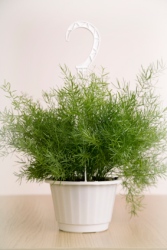
Long, arching stems densely covered with short, needle-like leaflets give Asparagus Fern a delicate appearance. Its feathery foliage blends in beautifully with other humidity-loving house plants.
You'll love showing off this decorative plant in your home. Its cascading habit makes it ideal for a hanging basket. Or set this ornamental trailer on a multi-level plant stand.
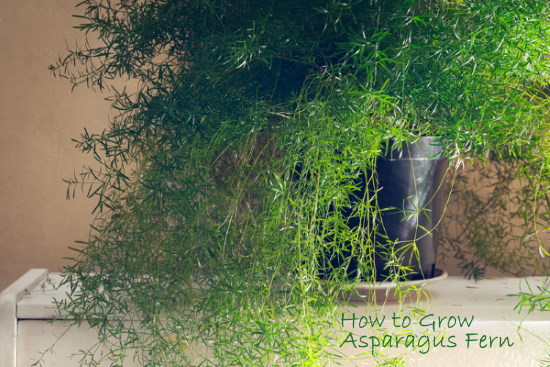 Fresh and airy, Asparagus Fern adds style to any space. Image © Hannator92
Get to Know Asparagus Fern
Known botanically as Asparagus densiflorus 'Sprengeri', this popular houseplant is not a fern at all. This is a subtropical relative of the asparagus vegetable.
In place of true leaves, it has needle-like foliage covering sprawling, branched stems.
Mature plants will bloom in summer with tiny, white-to-pale pink flowers hidden among the lush greenery. Flowers are sometimes followed by clusters of green berries that turn red in the winter. These berries are poisonous if eaten.
Florists love the feathery, emerald-green foliage in bouquets. It's also a popular outdoor container plant in temperate climates. If planted in the ground, asparagus ferns are invasive. In their native habitat, these vigorous plants will spread across -- and scramble up -- other plants.
Asparagus Fern To-Dos, Problems and Answers
Prune it back. Trim off older, bare stems in the spring to make room for new growth and to keep the plant looking its best.
Repot in spring. Move to a pot only 1 size larger. Allow 1-2 in (2.5-5 cm) from the surface of the potting mix to the rim of the pot. The fleshy, tuberous roots sometimes force the potting mix up as they grow.
Yellow leaflets are typically caused by soggy soil or a plant that's not getting enough sunlight.
Leaf drop is usually a symptom of too much sunlight -- or, more likely -- dry soil. Keep your asparagus fern where it'll get filtered light. Water regularly, but take care not to overwater. The plant's thick, tuberous roots store water and soggy soil can cause root rot.
Spider mites may attack plants that grow in dry conditions. They are true spiders, but only about the size of pepper flakes, so you can barely see them. The first tale-tell sign of these 8-legged critters is webbing between stems. Treat any infestation right away. Here's how to get rid of spider mites on houseplants. You can discourage these pests by maintaining humidity around your plant.
Is Asparagus Fern poisonous? Yes -- according to the ASPCA, this member of the Liliaceae family is toxic to cats and dogs. Its red berries are the most toxic, causing stomach upset.
Asparagus Fern Care Tips
Origin: South Africa
Height: Trailing stems up to 3 ft (90 cm) long
Light: Bright, indirect light year-round. Give your plant a quarter turn every week or so for even growth. If you don't have a window available, this indoor plant grows beautifully under artificial light. Set plant 8 to 12 inches below light source for 14 to 16 hours per day.
Water: Water thoroughly, allowing soil to dry out a little between waterings. Water sparingly in winter, but do not allow soil to dry out completely or those needles will drop off.
Humidity: Prefers moist air. Dry indoor air will cause this plant to shed its small leaflets. Set pot on a tray of wet pebbles and mist leaves daily with room-temperature water to keep the humidity high (around 40% relative humidity or higher).
Temperature: Average room (65-75°F/18-24°C). This plant will tolerate a minimum temperature of 50°F/10°C. Keep this plant away from heat/AC vents that may cause it to dry out.
Soil: Good-quality, all-purpose potting mix
Fertilizer: Feed monthly spring through fall with a balanced house plant fertilizer diluted by half.
Propagation: Asparagus fern is easy to grow from seeds. You can divide overcrowded plants in spring. Ease the plant out of its container and divide the plant with a sharp knife, keeping as much of the thick, tuberous roots attached as possible.
Recent Articles


-
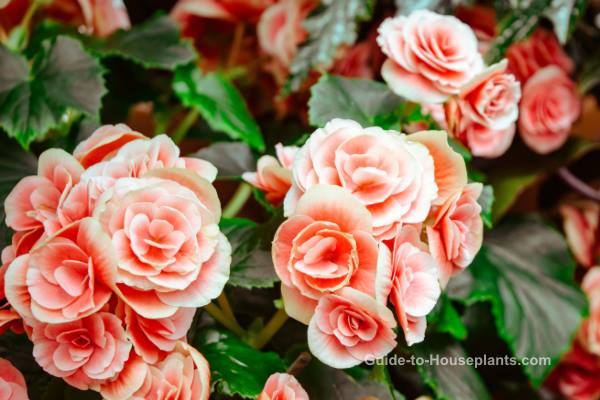
Begonia Care: Grow Tuberous Begonia Hybrids Indoors
Apr 23, 24 12:10 PM
 Get begonia care and grow Reiger begonia and other tuberous hybrids as houseplants. Discover how to get the most flowers and rebloom your begonia.
 -
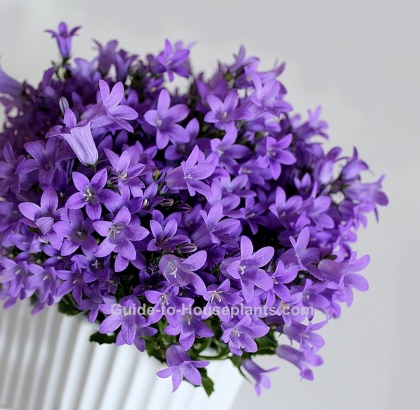
Campanula Flowers Make Gorgeous Houseplants
Apr 20, 24 01:07 PM
 Campanula flowers look best spilling over a tall pot. Get tips for growing campanulas indoors, how to get the most blooms, when to repot, and more.
 -
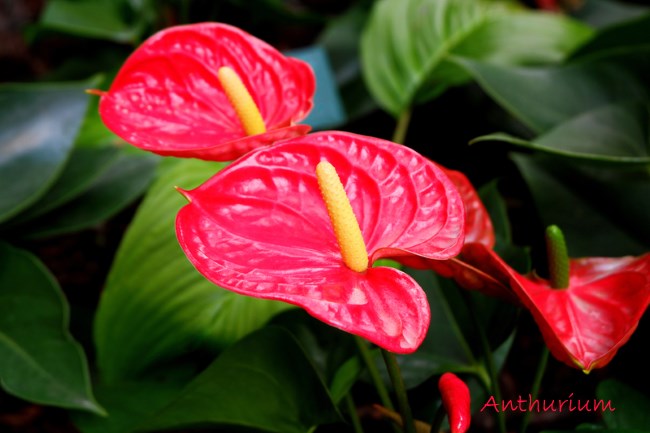
Anthurium Plant Care - How to Grow Anthurium andraeanum Indoors
Apr 17, 24 12:25 PM
 Anthurium plant is one of the world's most exotic tropical flowers. Discover Anthurium growing tips: sunlight, fertilizer, watering, repotting.