Aloe Vera Plant Care
Aloe vera plant is known for the healing properties of its sap. Also called Burn Plant or Medicine Plant, many people use the gel-like liquid from a broken leaf to soothe minor burns and abrasions.
Sap from a snapped-off leaf has restorative properties that can be applied directly to skin. Aloe vera plant's sap is commonly used in medicines, lotions and cosmetics around the world.
Get to Know Aloe Vera
Aloe barbadensis has origins in Northeast Africa.
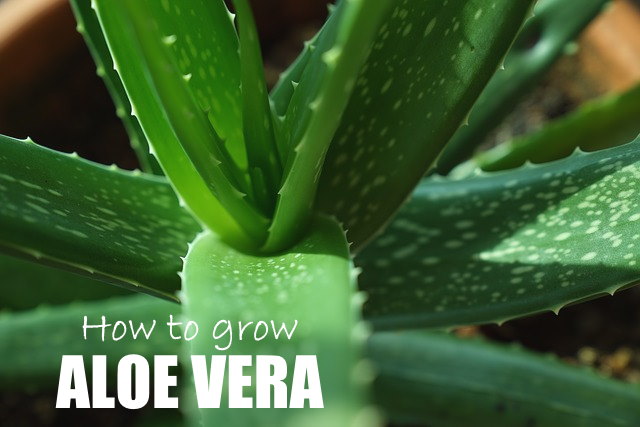
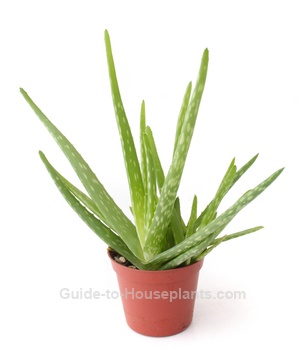
Aloe vera plants are hardy, slow-growing succulents that grow in rosettes of plump, upward-curving green leaves. Aloe vera leaves are faintly spotted and edged with soft teeth.
How big does it get? Mature aloe vera plants will reach a height of about 1-2 ft (30-60 cm).
Does it flower? Maybe. Plants grown outdoors often bloom in spring with yellow, tubular flowers carried on tall flower spikes. However, it rarely blooms indoors.
You'll find aloe is easy to grow and fairly trouble-free. So efficient at storing water, it rarely needs a drink. Are you a forgetful waterer? If so, this succulent is an ideal houseplant for you.
It's long-lived, too. Give it plenty of sunlight, and you'll enjoy it for years. Want more? Aloe vera readily grows offsets that can be separated for more plants.
Aloe Vera Plant Care Problems and Solutions
Don't let it burn. If you move your plant outdoors for the summer, make the move a gradual one. Ironically, aloe vera plant sunburns easily if it is suddenly exposed to full sun, which shows as brown or gray scorched spots on leaves.
Watch for pests. Check your aloe vera plant once in a while for scale insects and mealybugs that may infest this plant. Treat any infestation for these house plant pests immediately.
Repot crowded plants. Repot young plants in spring when they are outgrowing their pots. These types of succulents freely produces offsets. You can keep plants from getting overcrowded by propagating offsets as they begin to form rosettes.
What type of pot?
Terra cotta is ideal for succulents because it is porous, allowing the potting mix to dry out faster. These easy-to-find pots also have drainage holes -- a must for succulent plants, which are prone to rot if their roots stay soaking wet.
Brown leaf tips on aloe vera plant usually indicate that it's not getting enough water. Water the plant thoroughly and allow the excess water to drain.
Black spots on leaves are often due to overwatering. Do not allow water to collect in the rosettes of leaves, which causes the plant to rot.
Buy Aloe Vera Plant
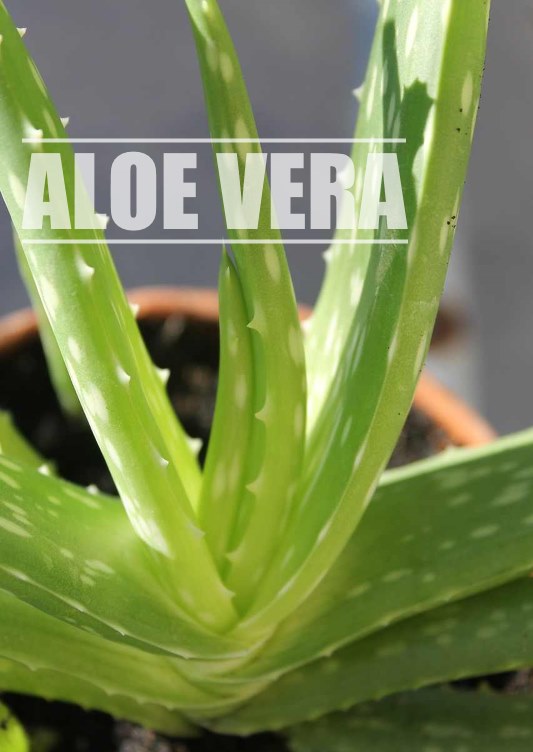
You'll find aloe vera plants for sale under the common name or scientific name, Aloe barbadensis. This popular succulent is easy to find in many garden centers year-round and online.
Aloe Vera Plant Care Tips
Light: Bright light, with some direct sun in winter. Keep aloe vera out of hot, direct sunlight in summer, which can scorch its leaves. It's a good idea to rotate your plant each week to expose all sides to sunlight for even growth.
Water: Spring through fall, water thoroughly, allowing the potting medium to almost dry out before watering again. Don't allow water to settle in the rosette of leaves because they easily rot. Water sparingly in winter when growth is slower. Do not allow the soil to dry out completely, however. When aloe vera is too dry the leaves will wrinkle.
Humidity: Average (around 40% relative humidity) to dry room humidity.
Temperature: Average room temperatures (65-75°F/18-24°C) year-round. If you move aloe vera outdoors for the summer, don't worry -- it can take the heat.
Soil: Cactus potting mix is ideal because it is fast-draining. Or add 1 part horticultural sand with 2 parts all-purpose potting mix.
Fertilizer: Spring through fall, feed monthly with a 2-7-7 succulent plant fertilizer. Stop feeding in winter when growth is slow.
Propagation: Cut off new offsets in spring or early summer. Allow the cut portion to dry for a day or two to prevent the sap from oozing, then pot it in barely moist sandy potting mix.
More to Explore


-
Paperwhite Narcissus - Forcing Paperwhites Indoors and Care Tips
Dec 02, 25 11:00 AM
 Find out how to force paperwhite narcissus into bloom indoors. Growing paperwhite bulbs is easy with these step-by-step tips, plus how to make the flowers last.
 -
Christmas Cactus Care: Grow Schlumbergera Bridgesii Indoors
Dec 01, 25 11:11 AM
Christmas cactus care will keep your plant healthy and blooming year after year. How to prune, repot, fertilize, propagate and get Christmas cactus to re-bloom. -
Fiddle Leaf Fig House Plants: How to Grow Ficus Lyrata Indoors
Nov 26, 25 11:41 AM
 Fiddle Leaf Fig tree gets its name from its big, fiddle-shaped leaves. Find out how to grow this beautiful ficus tree indoors and keep your houseplant thriving.