Papyrus Plant
Botanical Name: Cyperus papyrus
Papyrus plant is an easy-care house plant native to Tropical Africa. Once used by the ancient Egyptians to make paper, papyrus is now cultivated as an ornamental in tropical wetlands.
Find out how to grow this exotic plant in a pot. Dwarf varieties, including 'Nanus' and 'Baby Tut' are small enough to grow as house plants.
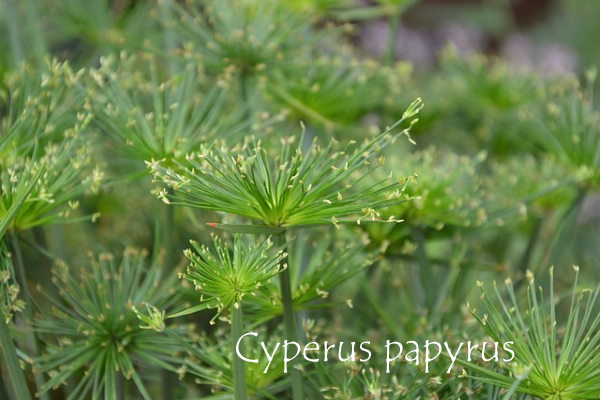 Close-up foliage and tiny flowers of the Cyperus papyrus plant. Image by JacLou DL
Get to Know Papyrus Plant
Growing in clumps, the thin papyrus stems are topped with dark-green, grass-like rays that resemble umbrella spokes. Some varieties have fountain-like feathery clusters.
This evergreen plant grows from thick rhizomes. Fast-growing, it's considered a weed in some countries. However, it won't spread too far in a pot.
How big does Cyperus papyrus plant get? Fully grown plants may reach up to 10 ft (3 m) tall. Dwarf papyrus grows to 2 ft (60 cm).
Papyrus flowers in late summer, when given enough sunlight. The greenish-brown flower clusters appear at the crown of the rayed stems.
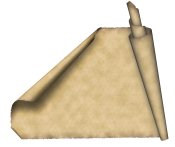
Early Stationery
Ancient Egyptians used papyrus stems to make paper for writing and drawing.
The labor-intensive process involves stripping off the stem coverings, removing the inner pulp-like fibers and slicing them into wafer-thin strips. Laid side by side, the papyrus strips are moistened, pressed, then dried into a sheet.
Papyrus Problems, Solutions and Answers
Wondering when to repot? When the roots have filled the pot, it's time to pot up. Move up only 1- to 2-inches (2.5 - 5 cm) larger. Spring is the best time to repot, when Papyrus plant is beginning its most vigorous time of growth.
Brown leaves are a symptom of dry air or dry potting medium. Papyrus is semiaquatic -- it loves water! Try to maintain humidity around your houseplant, too. (See "Humidity" tips below.)
Pale leaves or slow growth are usually caused by too much shade. Move your houseplant near a sunny window to give it the sunlight it craves.
Something bugging your plant? Spider mites love dry conditions. They tend to attack houseplants in winter, when the humidity drops. So tiny, spider mites are about the size of pepper flakes. You'll first notice their fine webbing between stems and leaves. Another pest is aphids that are attracted to soft, new growth on plants. Isolate an infested plant and treat it right away.
Is Cyperus papyrus poisonous? No, it's non-toxic and safe for a home with cats and dogs.
Where to Buy Papyrus Plant
Finding papyrus for sale may be a bit challenging. Cyperus papyrus 'Nanus' and 'Baby Tut' are dwarf papyrus varieties that make unusual, easy-care house plants on your windowsill. Or put them on the patio to give them the light they want.
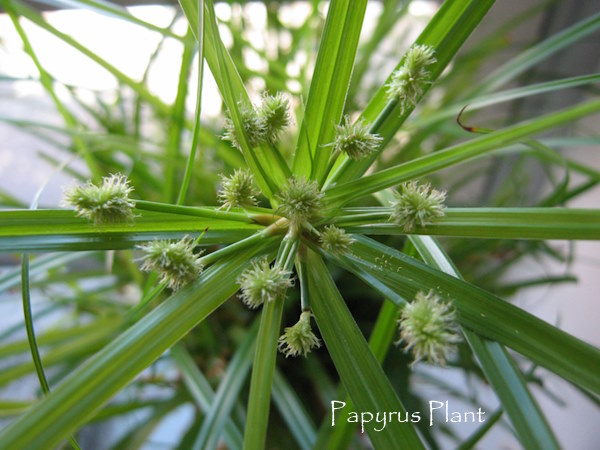 Photo: istockphoto
Papyrus Plant Care
Light: Full sunlight
Water: Keep the soil evenly moist at all times. Native to wetlands, this exotic-looking plant prefers wet soil so it's almost impossible to overwater. You can leave the pot in a saucer filled with water, if you want. Just don't let this plant dry out. Brown tips are a sign that the soil is dry. It's a good idea to keep a watering can nearby so you won't forget to water!
Humidity: Try to maintain around 45 to 50% relative humidity for this tropical native plant. If indoor air is dry, a cool-mist room humidifier works best to give it the humidity it craves. Brown leaves are a symptom of dry air.
Temperature: Normal room temperatures 65-75°F/18-24°C. Cyperus papyrus is not winter-hardy. You can move your container outdoors for the summer, if you want. But bring it back in when the temperature drops below 55°F/13°C. Avoid cold drafts near windows, doors or AC vents.
Soil: Good-quality, all-purpose potting mix
Fertilizer: Papyrus is not a heavy feeder. Feed it once a month, spring through fall with a balanced liquid fertilizer diluted by half. Only fertilize when watering to avoid fertilizer burn.
Propagation: Divide the plant in spring. Or take 4 in (10 cm) stem tip cuttings in spring and root them in water. Papyrus plant is also easy to grow from seed.
Recent Articles


-
Begonia Care: Grow Tuberous Begonia Hybrids Indoors
Apr 23, 24 12:10 PM
 Get begonia care and grow Reiger begonia and other tuberous hybrids as houseplants. Discover how to get the most flowers and rebloom your begonia.
 -
Campanula Flowers Make Gorgeous Houseplants
Apr 20, 24 01:07 PM
 Campanula flowers look best spilling over a tall pot. Get tips for growing campanulas indoors, how to get the most blooms, when to repot, and more.
 -
Anthurium Plant Care - How to Grow Anthurium andraeanum Indoors
Apr 17, 24 12:25 PM
 Anthurium plant is one of the world's most exotic tropical flowers. Discover Anthurium growing tips: sunlight, fertilizer, watering, repotting.